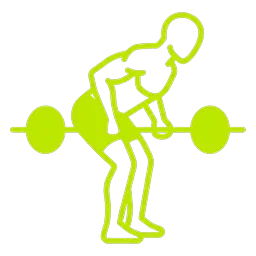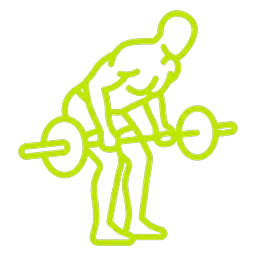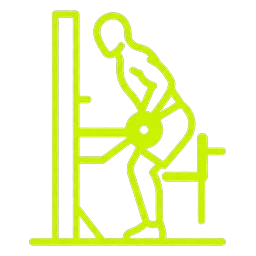
Rack pull
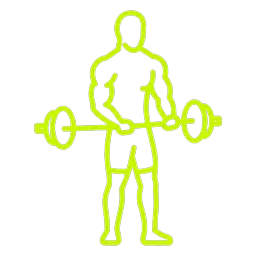
The rack pull is a deadlift variation performed with the barbell elevated on safety pins, reducing the range of motion to target the upper back and lockout strength. This variation allows lifters to overload the posterior chain with heavier weights while placing less stress on the lower back.
Count your Rack pull reps with AIFree in your browser — no app, no equipmentHow to Do Rack pull
- Set the safety pins in a power rack so the barbell rests either just above or just below your knees.
- Stand close to the bar with your feet hip-width apart and your shins almost touching the steel.
- Hinge at your hips, push your glutes back, and grip the bar just outside your thighs using a double-overhand or mixed grip.
- Flatten your spine, pull your shoulders back to engage your lats, and take a deep breath to brace your core.
- Drive through your heels and push your hips forward to stand up straight, locking out your hips and knees simultaneously.
- Lower the barbell under control back to the safety pins, allowing it to come to a complete stop before starting the next rep.
Muscles worked
TrapeziusErector spinaeLatissimus dorsiGluteus maximus
Form tips
- Keep the barbell as close to your thighs as possible throughout the entire movement to maintain leverage.
- Squeeze your armpits shut to engage your latissimus dorsi and keep your upper back tight before initiating the pull.
- Focus on driving your hips forward to finish the lift rather than leaning your torso backward at the top.
Common mistakes
- Rounding your spine during the pull, which places dangerous shear forces on your lumbar vertebrae.
- Hyperextending your lower back at lockout instead of finishing with a neutral pelvis and squeezed glutes.
- Bouncing the bar off the safety pins to utilize momentum rather than pulling from a dead stop.
FAQ
How many reps and sets of rack pulls should I do?
For building strength and upper back thickness, perform 3 to 5 sets of 5 to 8 reps using a heavy but manageable weight.
What height should the safety pins be set to?
The most common starting position is just below the knee, but you can set them mid-thigh to isolate the upper back and traps even further.
Are rack pulls safer than regular deadlifts?
They can be safer for individuals with limited hip mobility or existing lower back issues, as the partial range of motion reduces spinal flexion demands at the start of the lift.