Reverse crunch
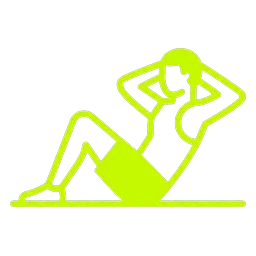
The reverse crunch is a core exercise that involves curling the hips toward the chest while lying on the back. It primarily targets the lower portion of the rectus abdominis, helping to build deep abdominal strength and pelvic stability.
Count your Reverse crunch reps with AIFree in your browser — no app, no equipmentHow to Do Reverse crunch
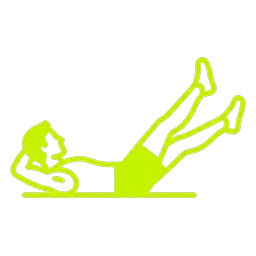
- Lie flat on your back on an exercise mat with your arms by your sides, palms pressing into the floor for stability.
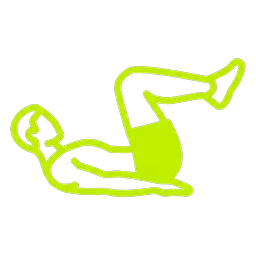
- Raise your legs and bend your knees at a 90-degree angle so your thighs are perpendicular to the floor.
- Contract your lower abdominals to curl your hips and tailbone up off the floor, pulling your knees toward your chest.
- Pause briefly at the peak of the contraction, focusing on the tension in your lower abs.
- Slowly lower your hips back to the starting position under control, ensuring your lower back does not arch excessively.
Muscles worked
rectus abdominisobliqueship flexors
Form tips
- Focus on curling your pelvis toward your ribcage rather than simply swinging your knees toward your chest.
- Press your hands and triceps firmly into the floor to help stabilize your torso and prevent your neck from straining.
- Maintain a slow, controlled tempo on the descent to maximize time under tension and protect your lower back.
Common mistakes
- Using momentum or swinging the legs to lift the hips instead of engaging the abdominal muscles.
- Allowing the lower back to arch aggressively off the floor at the bottom of the movement.
- Lifting the head, neck, or shoulders off the mat, which shifts tension away from the lower abs.
FAQ
How many reps and sets of reverse crunches should I do?
For core strength and endurance, aim for 3 to 4 sets of 12 to 15 controlled repetitions, focusing on form over speed.
Is the reverse crunch safe for people with lower back pain?
Yes, it is often safer than traditional crunches because it keeps the lumbar spine supported against the floor, but you should stop if you feel any pinching or discomfort.
How can I make the reverse crunch more challenging?
You can increase the difficulty by straightening your legs, holding a medicine ball between your knees, or performing the movement on a decline bench.