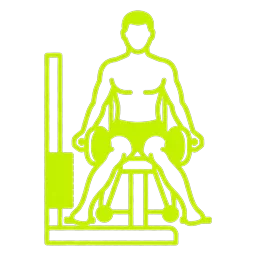
Seated machine adduction
A machine-based isolation exercise designed to target the inner thigh muscles by drawing the legs together against resistance. This movement is highly effective for improving hip stability, pelvic alignment, and groin strength.
Count your Seated machine adduction reps with AIFree in your browser — no app, no equipmentHow to Do Seated machine adduction
- Sit on the machine with your back firmly against the backrest and your feet on the footplates.
- Adjust the leg pads so they rest comfortably against the insides of your knees and thighs.
- Grasp the handles on the sides of the seat to stabilize your upper body and engage your core.
- Exhale as you smoothly squeeze your thighs together until the pads meet in the center.
- Pause for a second at the point of maximum contraction to maximize muscle engagement.
- Inhale as you slowly reverse the movement, returning to the starting position without letting the weight plates touch.
Muscles worked
AdductorsGracilisPectineus
Form tips
- Keep your back flat against the pad and avoid arching your spine to prevent lower back strain.
- Focus on a slow, controlled negative phase to increase time under tension for the inner thighs.
- Set the range of motion to a comfortable stretch; do not force your legs too wide to avoid groin injury.
Common mistakes
- Using momentum or rocking your torso forward to help push the weight.
- Allowing the weight stack to slam down between repetitions, which removes tension from the working muscles.
- Pushing primarily with the feet or shins instead of driving the movement from the inner thighs and knees.
FAQ
How many reps and sets of seated machine adductions should I do?
For optimal endurance and hypertrophy, perform 3 to 4 sets of 12 to 15 repetitions using a moderate weight and controlled tempo.
Is the adductor machine safe for the hips?
Yes, when performed with proper form and a comfortable range of motion, it safely strengthens the hip stabilizers and groin muscles.
Can this exercise help improve my squats?
Yes, strong adductors play a key role in stabilizing the pelvis and knees during heavy compound movements like squats and lunges.