Crossover lunge
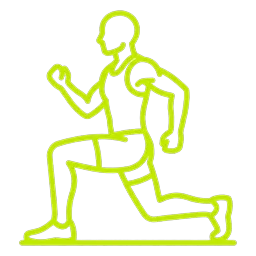
The crossover lunge is a lower-body variation that targets the glutes and thighs by stepping one leg diagonally behind the other. It mimics a curtsy motion to specifically challenge the gluteus medius and improve hip stability.
Count your Crossover lunge reps with AIFree in your browser — no app, no equipmentHow to Do Crossover lunge
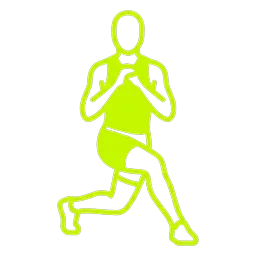
- Stand tall with your feet hip-width apart and your hands on your hips or held together in front of your chest.
- Keep your weight on your left foot, and take a large step back and to the left with your right foot, crossing it behind your left leg.
- Lower your hips by bending both knees until your front thigh is parallel to the floor and your back knee is hovering just above the ground.
- Ensure your front knee stays aligned over your front ankle and does not collapse inward.
- Push through your front heel to return to the starting position, then repeat on the opposite side or complete all reps on one leg.
Muscles worked
gluteus maximusgluteus mediusquadricepshamstringsadductors
Form tips
- Keep your chest upright and your shoulders back throughout the movement to maintain a neutral spine.
- Focus on driving the weight through the heel of your front foot to maximize glute activation.
- Control the descent phase of the lunge to protect your knee joints and increase time under tension.
Common mistakes
- Allowing the front knee to cave inward, which places excessive stress on the knee joint.
- Stepping too far laterally, causing the hips to twist excessively rather than staying squared forward.
- Lifting the front heel off the ground, shifting the load onto the toes and putting pressure on the patella.
FAQ
What is the difference between a crossover lunge and a standard lunge?
While a standard lunge targets the quadriceps and gluteus maximus in a straight line, the crossover lunge adds a lateral angle that heavily recruits the gluteus medius and hip adductors.
How many reps and sets of crossover lunges should I do?
For general strength and stability, aim for 3 to 4 sets of 10 to 12 repetitions per leg.
Can I perform this exercise with weights?
Yes, you can increase the difficulty by holding dumbbells at your sides, a single dumbbell or kettlebell in a goblet position, or using a barbell across your upper back.